Total: 1419 results found.
Page 2 of 71
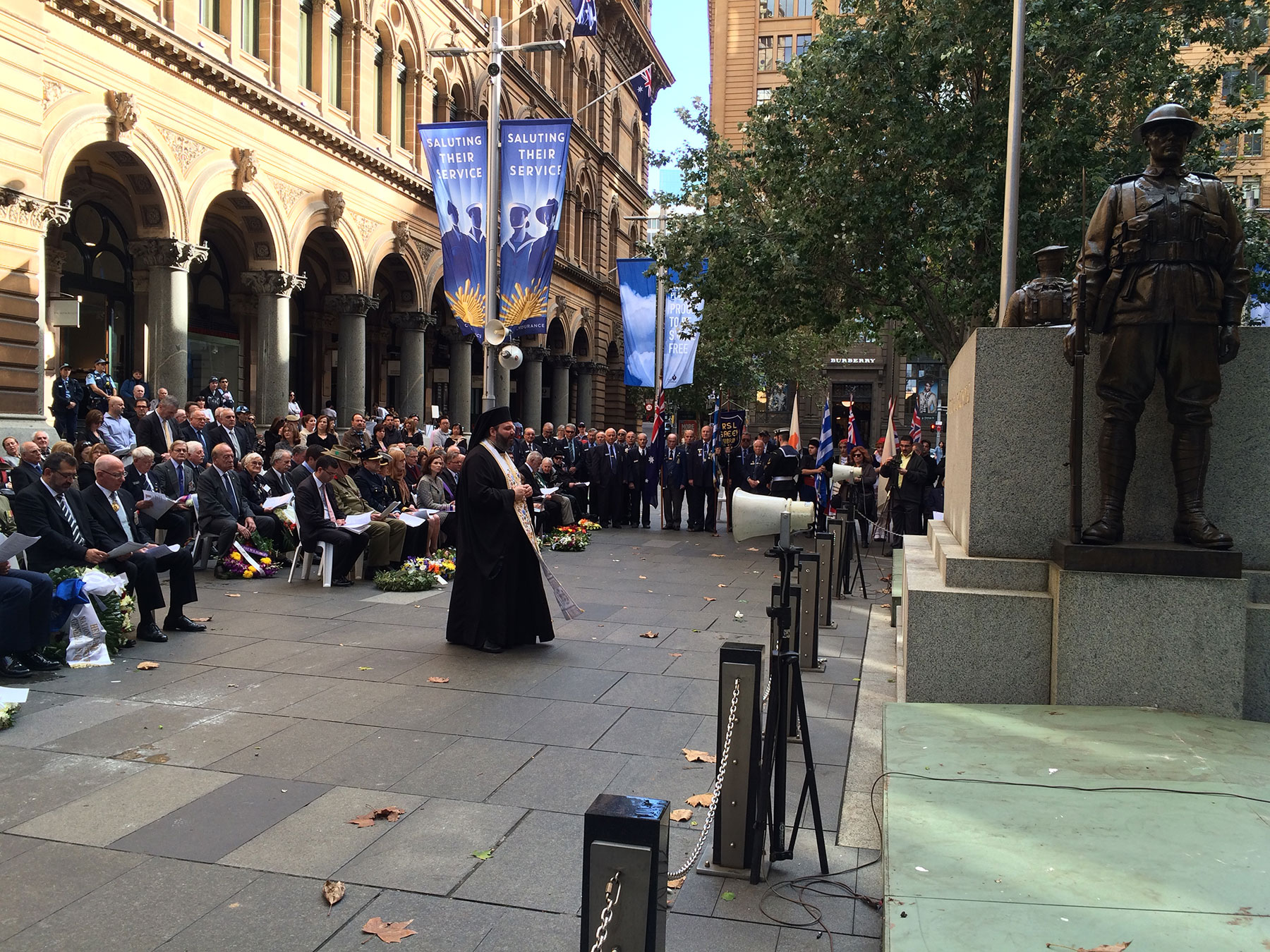
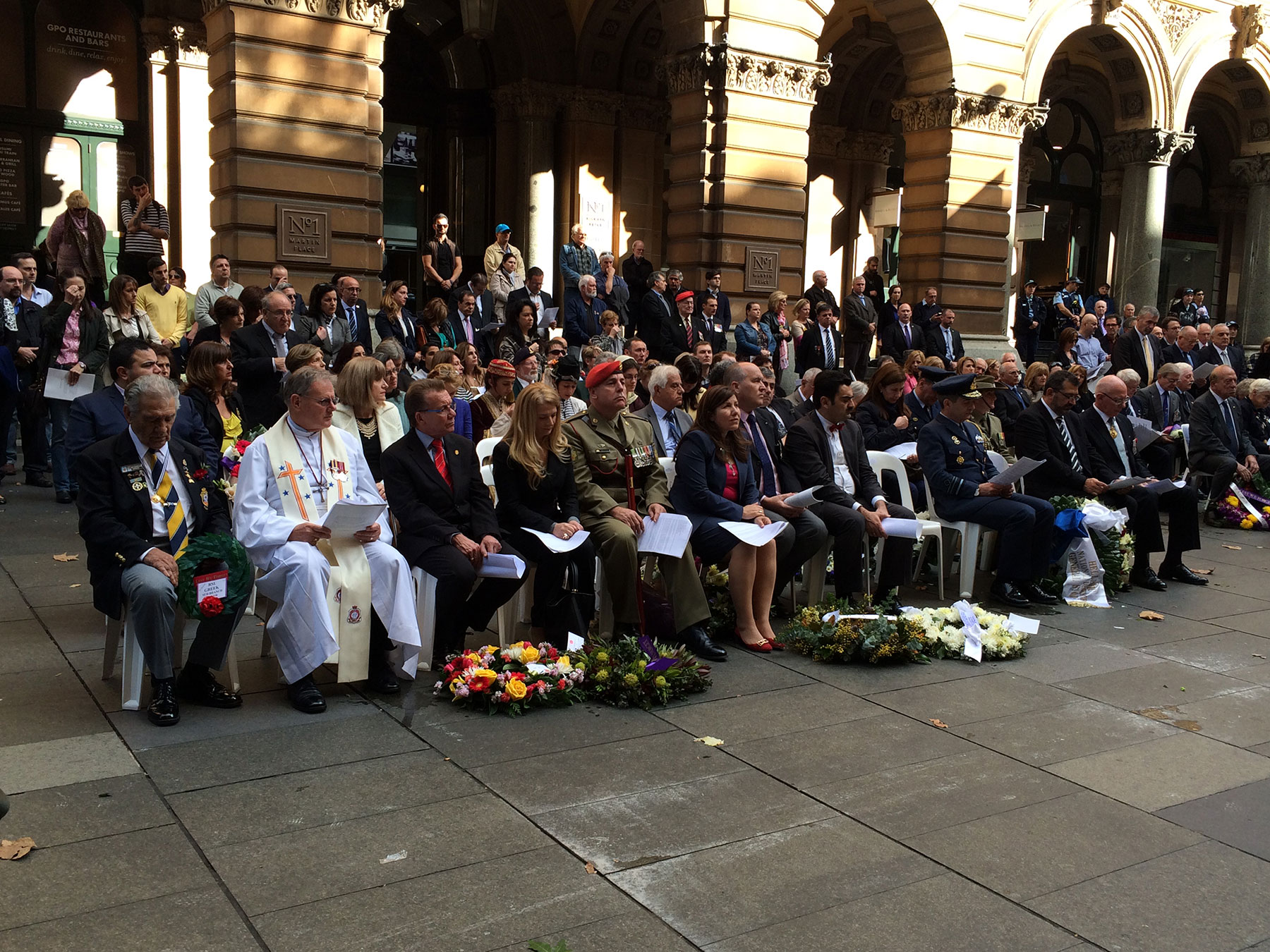
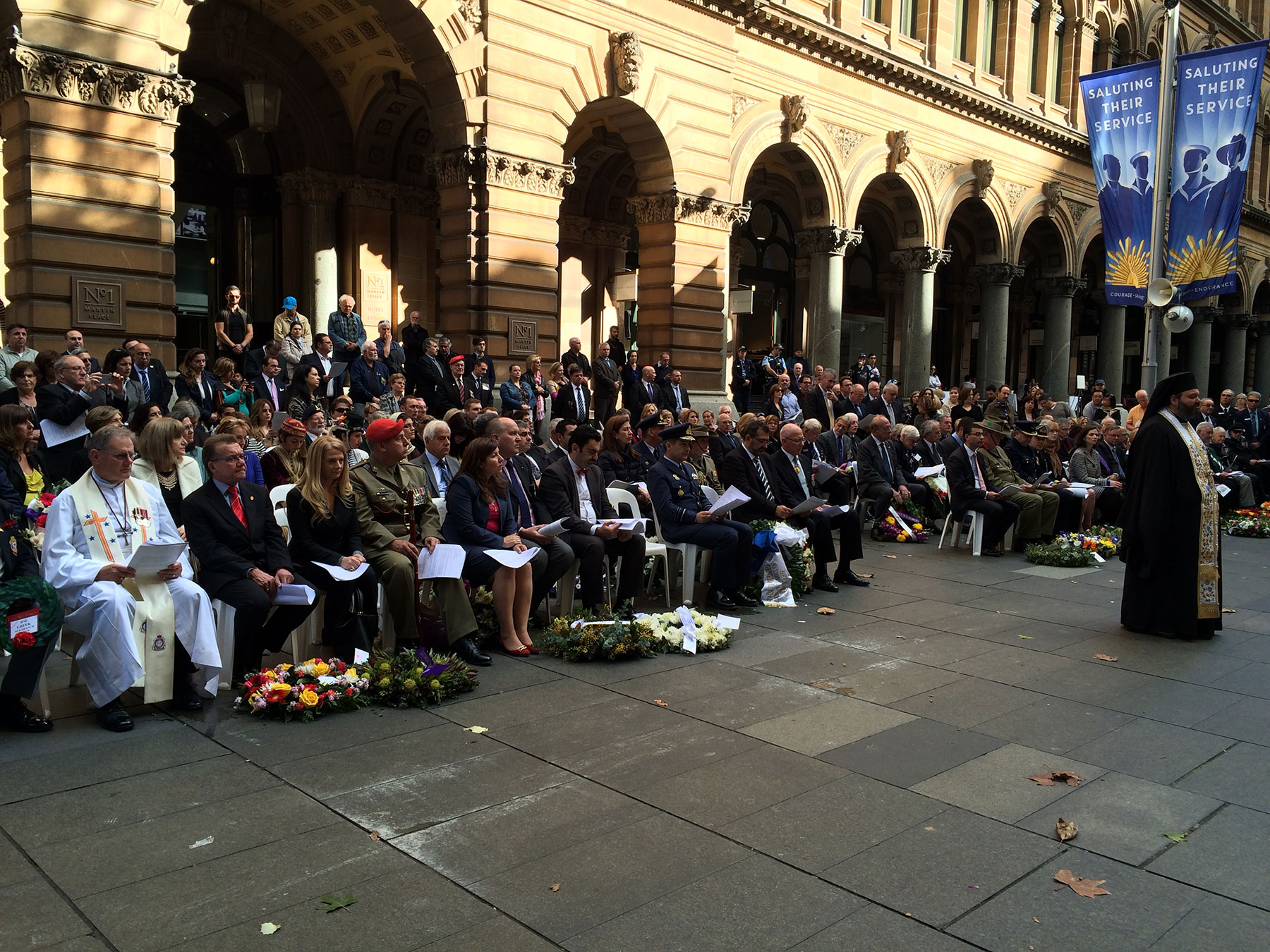
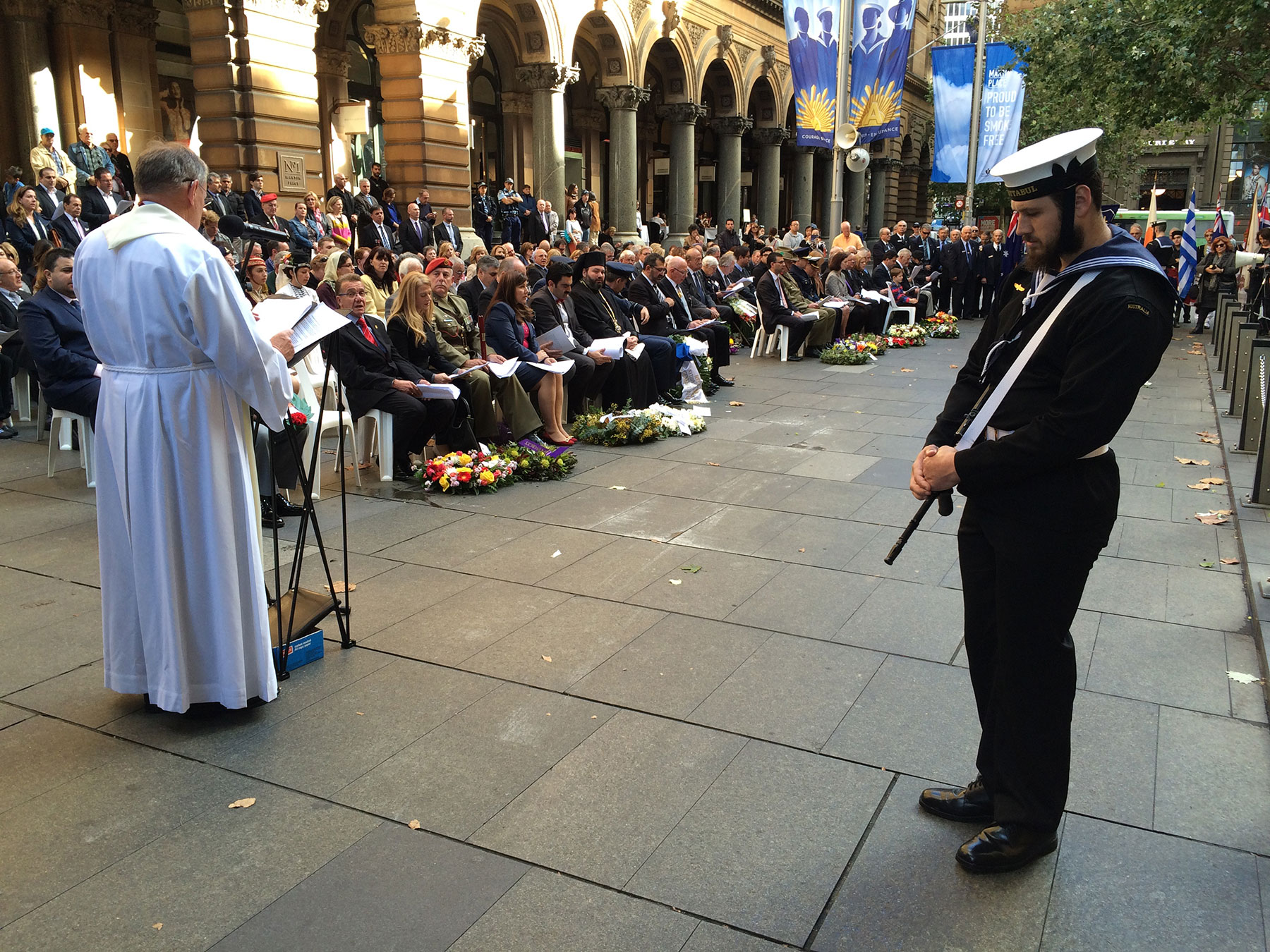
Exhibition remembers Battle of Crete and the Greek Campaign
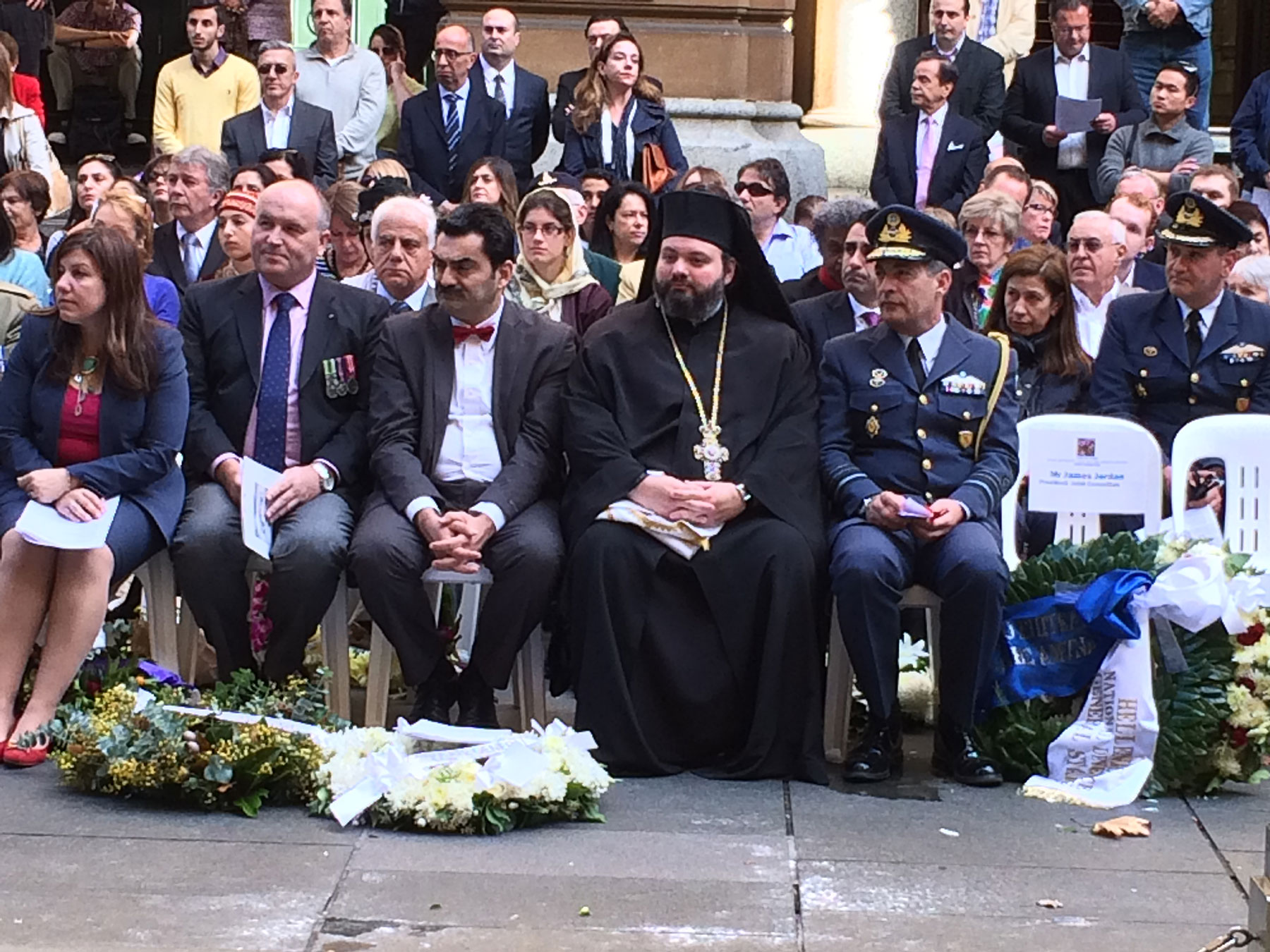
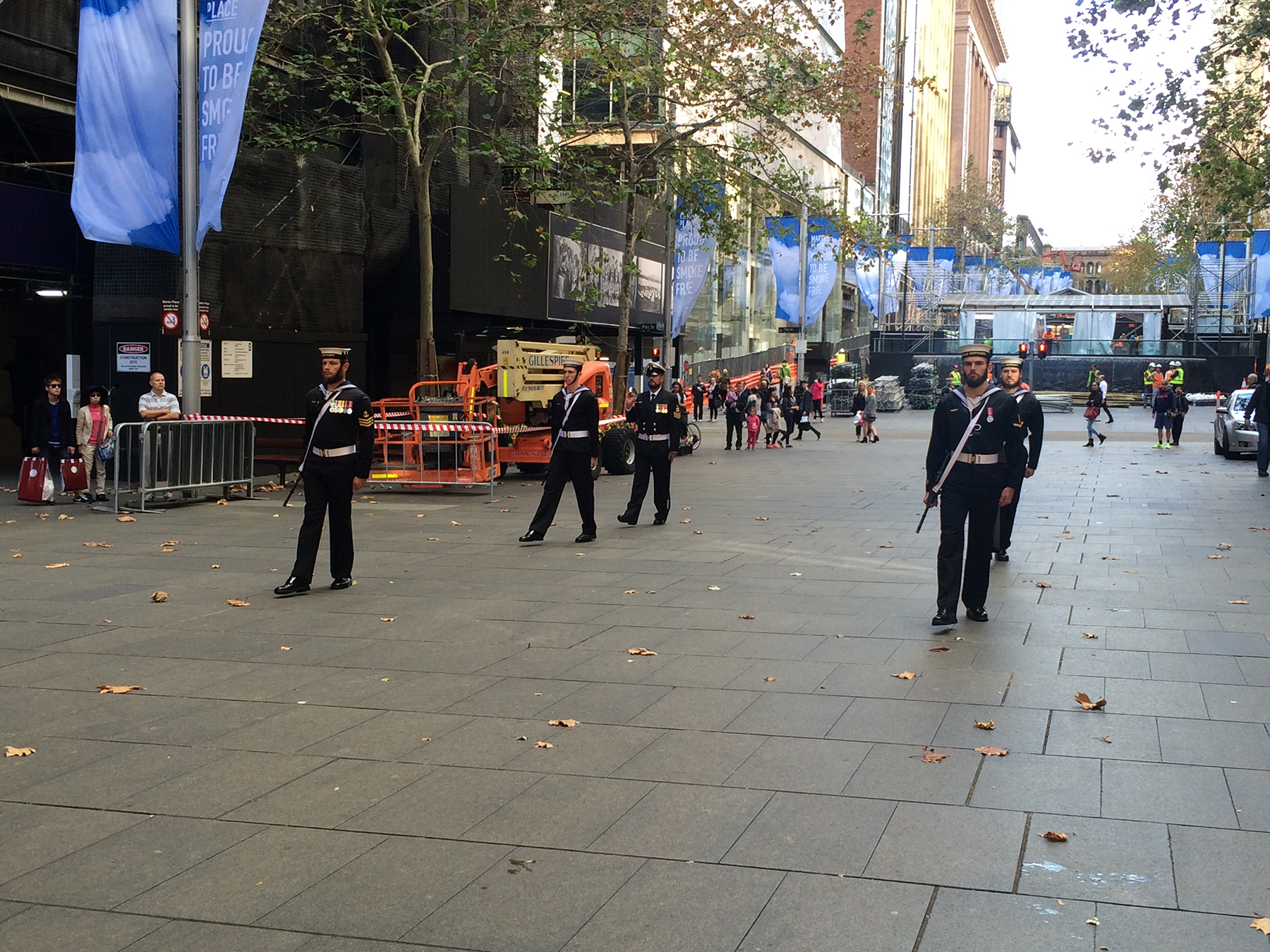
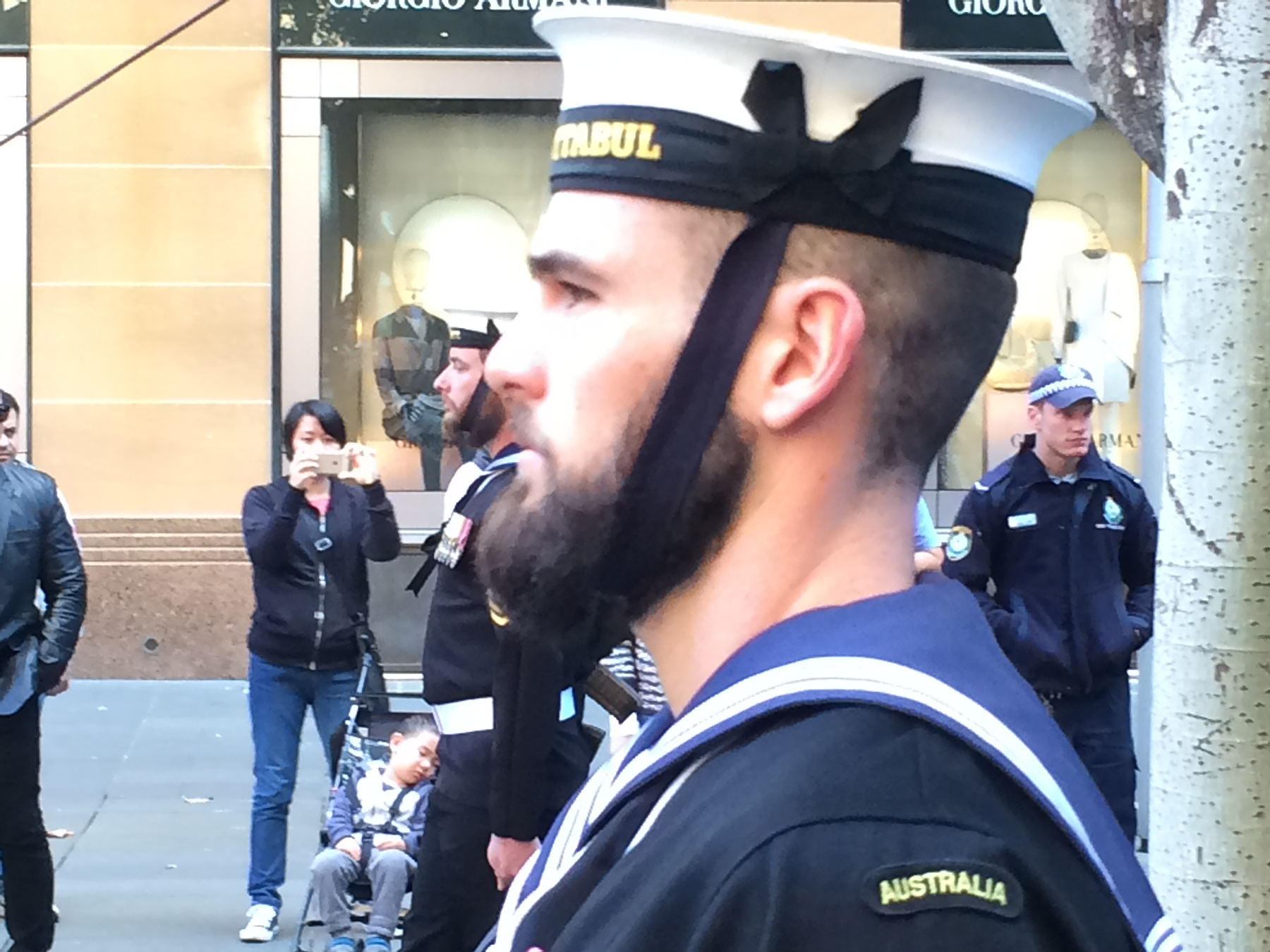
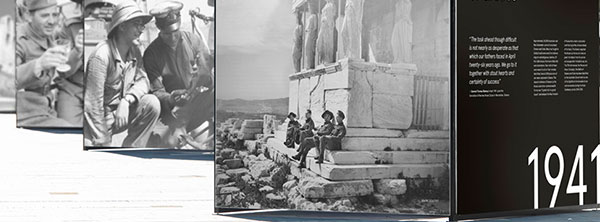
The latest exhibition in George Street’s Light Rail Activation Program space will honour the actions of brave Australians who fought in the Battle of Crete and the Greek Campaign.
The showcase of historical images goes on display tomorrow (16 April 2016) until Friday 22 April, commemorating the 75th anniversary of the battle.
Members
Con Kambourakis, Treasurer
Dr Michael Bendon, Historian
Retired Colonel Graham Fleeton, Defence Reserves Association (NSW)
Consulate General of Greece in NSW
Cretan Association of Sydney & NSW
Cretan Federation of Australia and New Zealand
Dr Maria Hill, Consultant Historian
 Dr Maria Hill is a military historian and an expert on the Greek and Crete campaigns. She has an Honours, Masters and PhD in History from the University of New South Wales. Her PhD study was undertaken at the Australian Defence Force Academy @ UNSW.
James Jordan, Chair
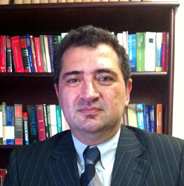 James graduated from University of New South Wales having completed his Bachelor of Laws and Bachelor of Commerce in 1986. James commenced his practice in Kogarah in 1992 and laid the foundations for the current firm.
James has extensive experience in property law including residential and commercial conveyancing, leasing and mortgages. James also has extensive experience in litigation including criminal law, family law, probate and estates, commercial litigation, negligence, insolvency, debt recovery and other areas.
Mike Sweet
 Michael Sweet is a writer, journalist and historian who specialises in the history of the Battle of Crete and the German Occupation of Crete.
His work has been published in The Australian, The Sydney Morning Herald, ABC Radio National, Kathimerini and by The Society of Cretan Historical Studies. In 2016 he was Project Director for the 42nd Street Anzac Memorial at Tsikalaria, Crete.
Content Under Review
Content for this section is under review.
Visit our site again in the near future.
To stay up to date with the Committee's news and events subscribe to our Newsletter.
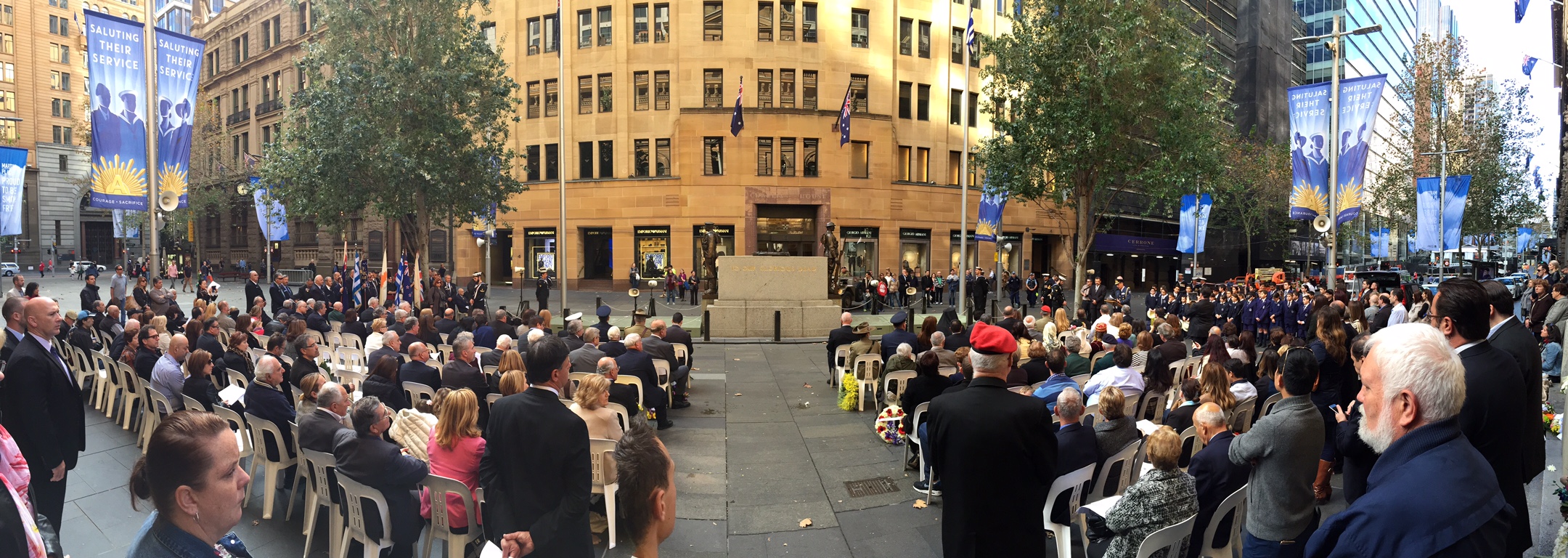
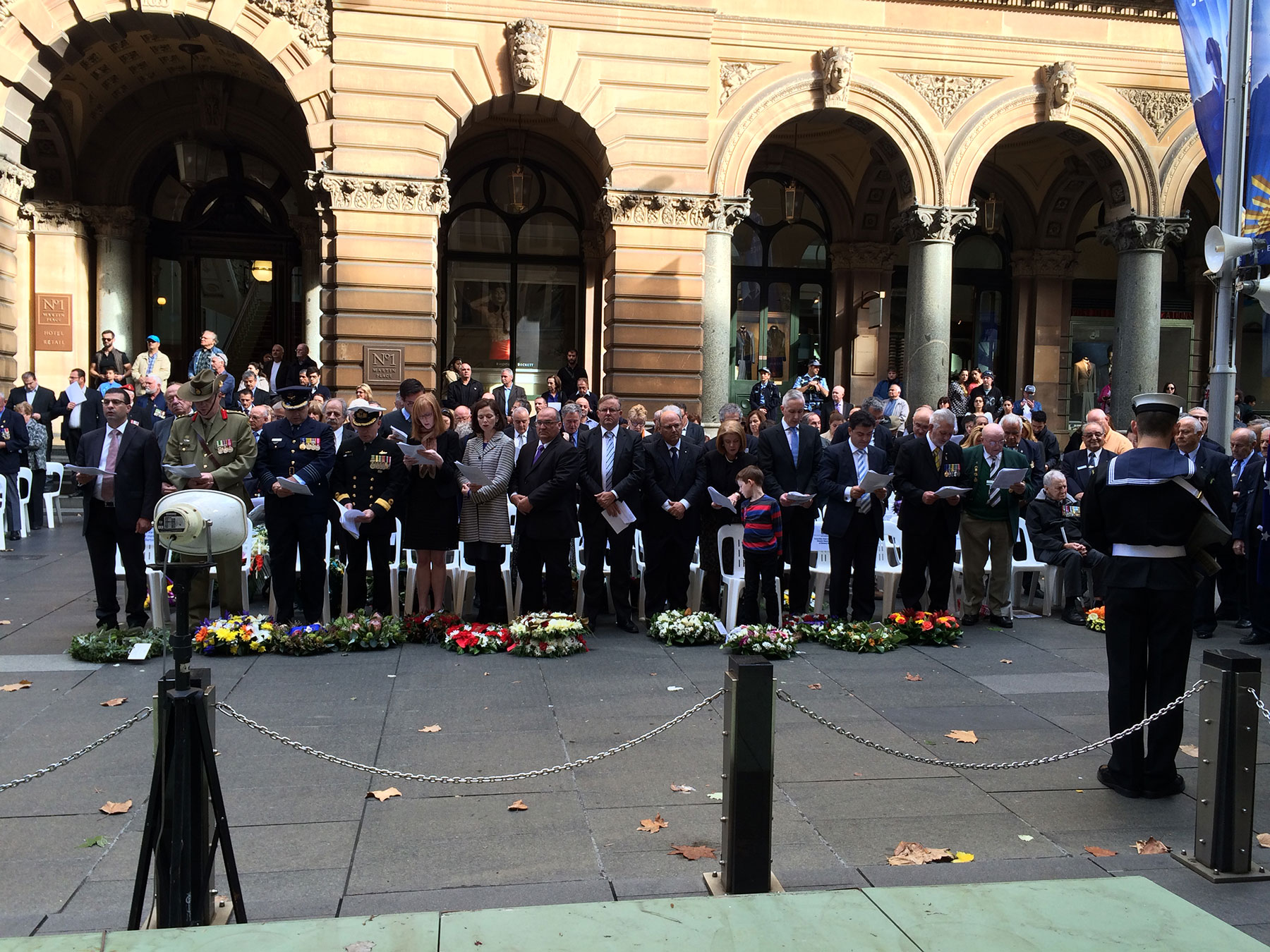
Wreath Laying Ceremony | Saturday 16th April 2016, 2pm
The commemoration in 2016 , of the 75th Anniversary for the second Anzac Campaign, the Battles of Greece and Crete has been identified by the Australian Government as one of the Significant Anniversaries to be commemorated during the Anzac Centenary period 2014-2018.
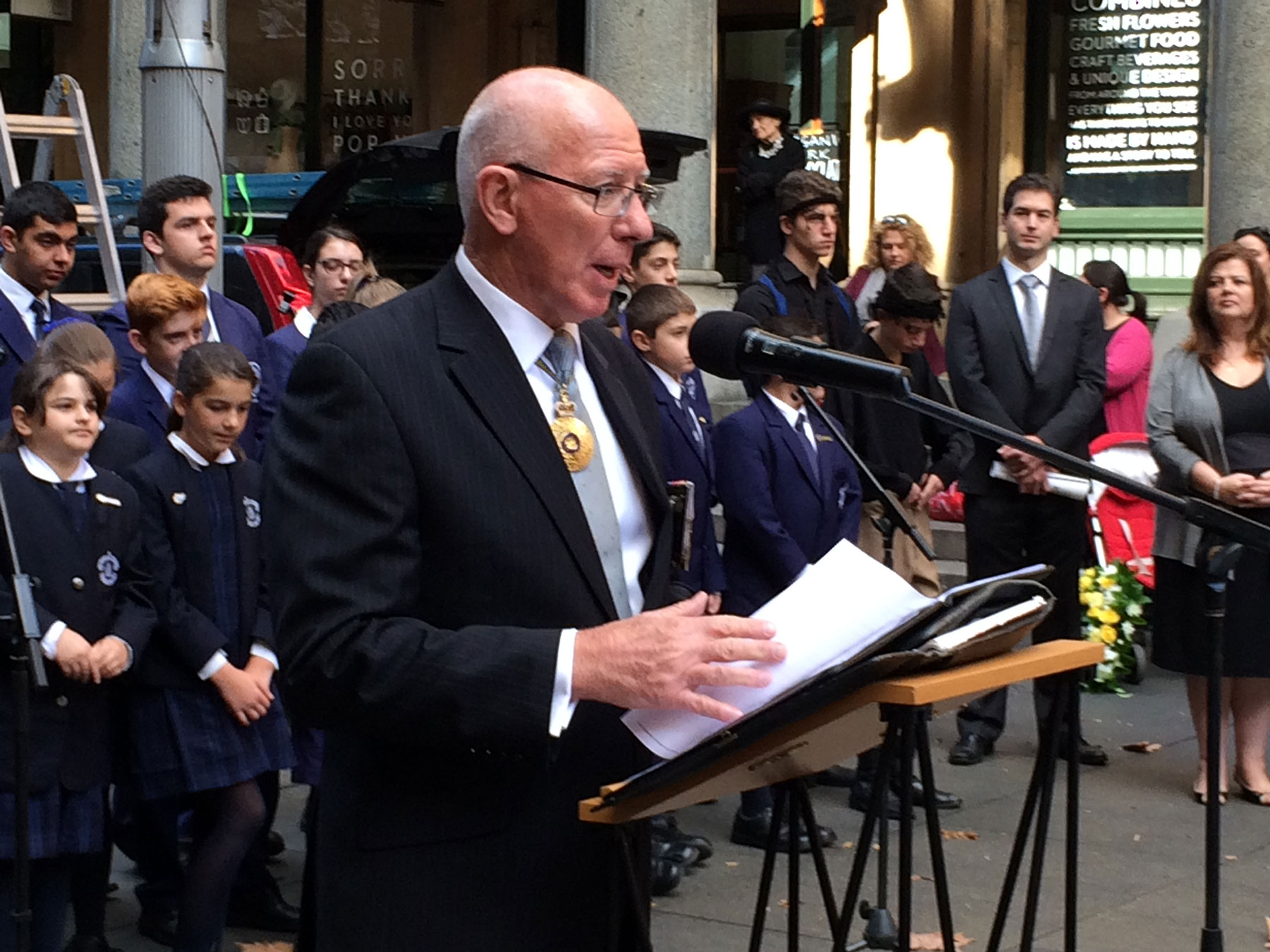
The wreath laying ceremony commemorating 75th Anniversary for the Battle of Crete and the Greek Campaign will be on at 2pm Sat 16 April 2016 at The Cenotaph Martin Place Sydney.
ShareYour Story
Use the form below to contribute to the records of our website and share your story with the world community interested in the history of the Anzacs during the Greek Campaign and the Battle of Crete.
PLEASE NOTE: IF YOU'RE UPLOADING LARGE FILES IT MIGHT TAKE SOME TIME FOR YOU TO SEE THE CONFIRMATION MESSAGE.
Copyright Disclaimer
The iconographic material commemorating the Australian campaigns that were fought on the Greek mainland and later on Crete has been mainly drawn from private collections, which also contains films, documents and stills from other sources. This material was either purchased by or donated to the JCCBCG, and the committee is greatly indebted to the original copyright owners for their generosity and effort in documenting the history of Anzacs in Greece. As it was impossible to trace and to acknowledge them all, to them goes the committee's unreserved thanks and apology.
Terms & Conditions
Whilst we hope you find the contents of this web site interesting and informative, you must appreciate that the contents are for general information only. Whilst we believe the contents to be true and accurate as at the date of writing under English law, we can give no assurances regarding the accuracy of the contents in relation to specific situations or particular circumstances. As such, the contents should not be relied upon.
Privacy Policy
Privacy matters, and we are totally committed to ensuring that your participation in our important work protects your personal information. We don’t share data with anyone, and any individual data required for project operations is destroyed at the conclusion of that project.
Lemnos 1915
Lemnos1915 as part of the Lemnos Association NSW, commemorates the Greek island Lemnos' involvement with the first Anzacs in 1915.
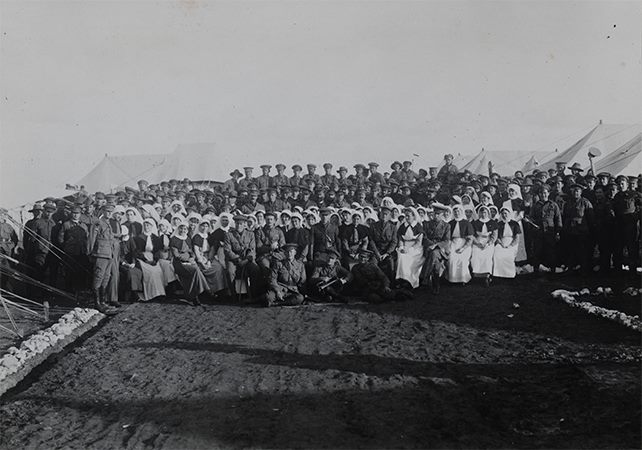
Photo: 'The staff 3rd A.G.H photographed on Christmas Day 1915
Lemnos Island, Col de Crespigny in command’ AW Savage 1915, The State Library of New South Wales
For more information visit the "Lemnos 1915" website
2/1st Australian Infantry Battalion
The 2/1st Battalion was raised at Victoria Barracks, Sydney, on 16 October 1939 as part of the 16th Brigade of the 6th Australian Division. It relocated to the newly-opened Ingleburn Camp on 2 November and, after conducting basic training there, embarked for overseas service on 10 January 1940.
Disembarking in Egypt on 13 February 1940, the 2/1st moved to Palestine, where it was concentrated with the rest of the 16th Brigade at Julis near Gaza. The brigade trained in Palestine until the end of August, when it moved to Egypt to carry out its final preparations for active service with the 6th Division.
The 2/1st Battalion's first campaign of the Second World War was the advance from Egypt into eastern Libya in January and February 1941. The battalion was involved in the attacks to capture Bardia (3-5 January) and Tobruk (21-22 January), and was left to garrison Tobruk as the advance continued. It left Tobruk on 7 March, ultimately bound for Greece with the rest of the 6th Division.
2/11th Australian Infantry Battalion
The 2/11th was the first Western Australian battalion raised for service overseas during the Second World War. Its formation began with the appointment of its first commanding officer on 13 October 1939 and by 7 November it was assembling at the newly-built Northam Camp to begin training. On 30 November it left Northam to join the 18th Brigade of the 6th Australian Division, a journey that would end at another new camp at Greta in New South Wales. The battalion returned to Western Australia in the middle of March and embarked at Fremantle for service overseas on 20 April 1940.
After arriving in the Middle East on 18 May, the 2/11th trained in Palestine and Egypt. A decision to reorganise Australian infantry brigades along British lines, with three battalions instead of four, meant the 2/11th was now part of the 19th Brigade, but it remained part of the 6th Division. The battalion went into action for the first time at Bardia on 5 January 1941 and, as part of the Allied advance into Italian-occupied Libya, subsequently fought at Tobruk on 21-22 January, and to secure Derna airfield on 25 January. It was advancing to the south of Benghazi when the Italians surrendered on 7 February.
2/8th Australian Infantry Battalion
The headquarters of the 2/8th Battalion opened at the Royal Melbourne Showgrounds on 30 October 1939 and four days later relocated to the newly-established camp at Puckapunyal. After completing its basic training, the battalion departed Melbourne for service overseas on 14 April 1940. The battalion was originally formed as part of the 17th Brigade of the 6th Australian Division, but in February it was decided to reorganise Australian infantry brigades along British lines, with three battalions instead of four. This meant the 2/8th was eventually transferred to the 19th Brigade, but remained part of the 6th Division.
Arriving in the Middle East on 18 May 1940, the 2/8th trained in Palestine and Egypt in preparation for its first campaign, against the Italians in eastern Libya. It played only a small role at Bardia (3-5 January 1941) but suffered the heaviest casualties of any Australian unit during the battle for Tobruk (21-22 January 1941), after having to attack a strong point constructed around a line of dug-in tanks. The 19th Brigade led the divisional advance onwards to Benghazi, which was reached on 6 February; the Italian forces surrendered the next day.

2/7th Australian Infantry Battalion
Part of the 17th Brigade of the 6th Australian Division, the 2/7th Battalion opened its headquarters at the Royal Melbourne Showgrounds on 25 October 1939. It relocated to the newly-established camp at Puckapunyal on 3 November to carry out its basic training, and departed Melbourne for service overseas on 15 April 1940.
Arriving in the Middle East on 17 May 1940, the 2/7th conducted further training in Palestine and Egypt, before embarking on its first campaign - the advance against the Italians in eastern Libya - just before Christmas. It fought in the battles for Bardia (3-5 January 1941) and Tobruk (21-22 January 1941) and ended its activities in Libya manning defensive positions at Marsa Brega - the western extent of the advance.

2/6th Australian Infantry Battalion
Part of the 17th Brigade of the 6th Australian Division, the 2/6th Battalion opened its headquarters at the Royal Melbourne Showgrounds on 25 October 1939. "Nothing over 2/6" was a well-known advertising slogan for Coles department store at the time and thus the battalion adopted the motto "nothing over us". It relocated to the newly-established camp at Puckapunyal on 3 November to carry out its basic training, and departed Melbourne for service overseas on 14 April 1940.
Arriving in the Middle East on 18 May, the 2/6th spent the rest of 1940 conducting further training in Palestine and Egypt. Just before Christmas, it embarked on its first campaign, against the Italians in eastern Libya. Its first battle, fought at Bardia between 3 and 5 January 1941, was costly. The battalion was given a diversionary role and a series of misunderstandings resulted in heavy casualties. It fought again at Tobruk between 21 and 22 January with much more success, and finished its activities in Libya by providing garrisons for Barce and Benghazi.

2/5th Australian Infantry Battalion
The 2/5th Battalion formed in Melbourne on 18 October 1939, as part of the 17th Brigade of the 6th Australian Division. The nucleus of the battalion was assembled in ensuing days at the Royal Melbourne Showgrounds, but its first drafts of recruits were not received until after it moved to the newly-established camp at Puckapunyal on 2 November. Basic training was completed there prior to the battalion's departure for overseas service on 14 April 1940.
After arriving in the Middle East on 18 May 1940, the battalion undertook further training in Palestine and Egypt. The 2/5th took part in its first campaign - the advance against the Italians in eastern Libya - in January and February 1941, and participated in successful attacks at Bardia (3-5 January) and Tobruk (21-22 January). In early April, the 2/5th, with the rest of the 6th Division, deployed to Greece to resist the anticipated German invasion. For the 2/5th, the Greek campaign was essentially one long withdrawal from its initial defensive positions at Kalabaka (occupied on 14 April) to the port of Kalamata, from which it was evacuated on 27 April. A party of approximately 50 transport drivers were left behind in Greece and became prisoners. A similar sized group landed on Crete and, after fighting with the 17th Brigade Composite Battalion, also suffered the same fate.